Office Address
Mamelle, Dakar, Sénégal
Phone Number
+221 33 801 90 91
+221 33 801 90 91
Email Address
admin@comdevafrica.org
admin@comdevafrica.org
Mamelle, Dakar, Sénégal
+221 33 801 90 91
+221 33 801 90 91
admin@comdevafrica.org
admin@comdevafrica.org






 by ComDev Africa
Growing from 5 to 43 employees in one year is a significant challenge for any social and solidarity economy (SSE) organization. This rapid growth highlights the importance of human resources not only as operational support but also as a true driver of impact. Here are five lessons learned from this experience, applicable to any growing SSE organization.
1. Rapid Growth Requires Clear Processes
A rapidly expanding team needs strong leadership. Recruitment tailored to the desired profiles, monitoring of objectives, and formalization of internal practices are essential for smooth growth.
Lesson learned: Even when an organization is still small, formalizing processes facilitates the transition to a larger and more diverse team.
2. Training is a Strategic Investment
Regular training sessions, whether internal or external, strengthen autonomy, encourage initiative, and foster talent retention. Lesson: In the social and solidarity economy (SSE), investing in skills development is more than just a cost; it's a major lever for empowering and retaining teams, even with limited resources.
3. Engagement is based on trust and transparency.
Sustainable motivation isn't built solely on financial benefits. Recognition, transparent communication, and valuing individual initiatives are essential drivers of engagement.
Lesson: To mobilize teams passionate about social missions, loyalty and trust are more powerful than any salary package.
4. Challenges stimulate HR innovation.
Changing territories, navigating economic crises, or managing international teams requires adapting HR practices: translating procedures, developing remote work, supporting junior staff, etc.
Lesson: Obstacles shouldn't be barriers. In the SSE, every challenge can become an opportunity for creativity and improving HR practices.
5. HR is a direct lever for social impact
Beyond recruitment and day-to-day management, HR enables us to:
create sustainable jobs,
support and develop local talent,
structure career paths,
and build teams capable of collaborating transnationally.
Lesson learned: investing in HR means investing in the sustainability and effectiveness of social action.
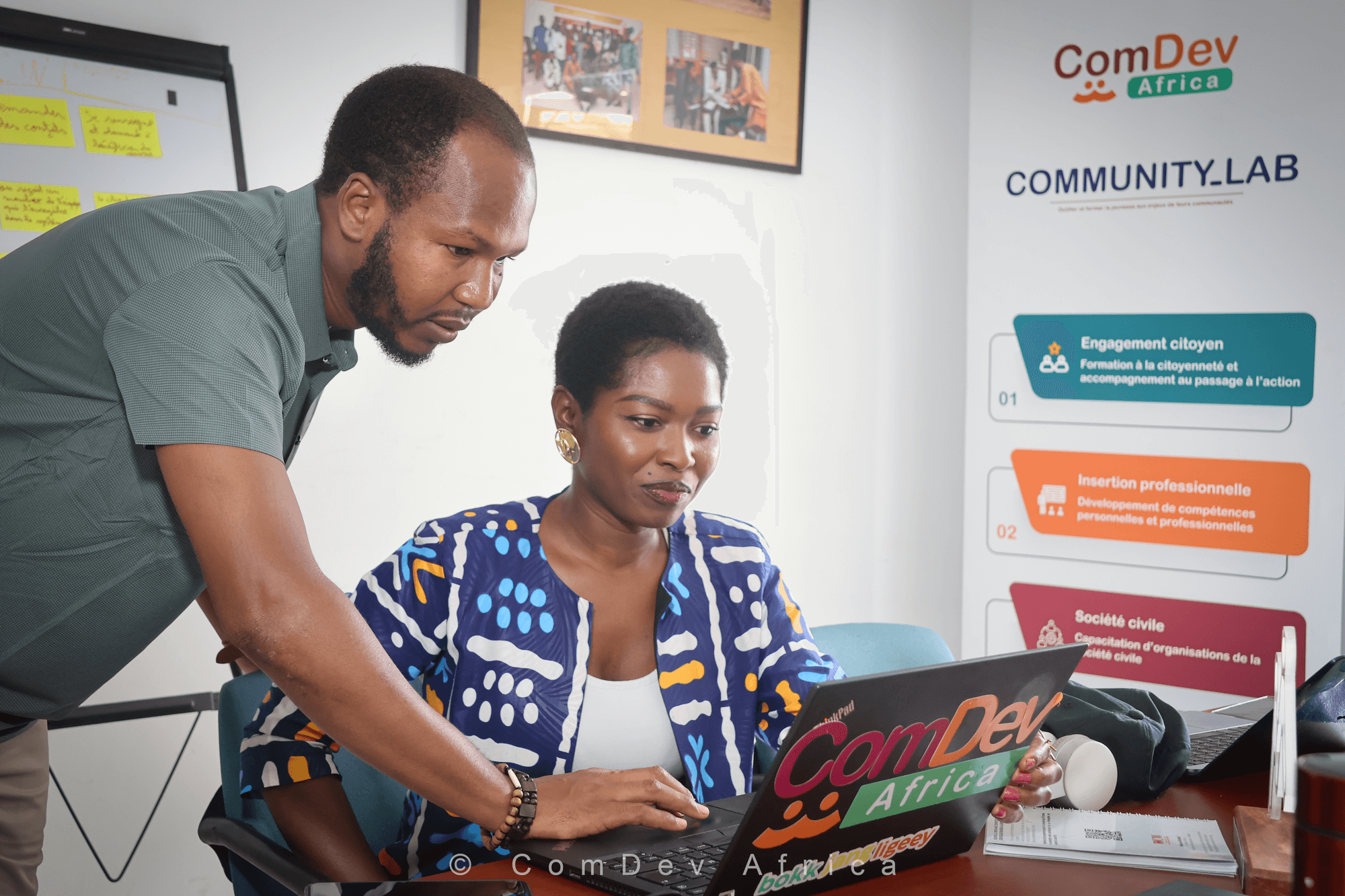
A decade of learning
Over the first ten years, the structuring of hubs, support for young people and organizations, and territorial expansion have shown that human resource development is at the heart of any social and solidarity economy (SSE) success.
Long-term vision: amplifying impact
For the next ten years, the ambition is to reach 1 million people through: incubating social entrepreneurs, facilitating access to solidarity-based financing, citizen mobilization, training tomorrow's leaders, and sharing stories of change. HR in the social and solidarity economy (SSE) is not simply an administrative support function: it is a strategic lever for transforming projects into concrete and lasting impacts. Experience shows that a well-supported and engaged team can become the driving force behind social innovation and organizational growth.
Finally, what HR practices do you believe foster a sense of belonging and long-term motivation, beyond financial considerations?
Written by: Zeynabou Cissé
Human Resources Director, ComDev Africa